
Have you ever wondered why some people spend months planning the perfect vacation itinerary while others throw a few clothes in a suitcase and decide where to eat after they arrive?
Why does one person want to visit every museum, landmark, and local attraction while another is perfectly content sitting by a pool with a good book?
The answer may have less to do with travel preferences and more to do with your natural talents.
Our CliftonStrengths influence far more than our careers. They shape how we make decisions, build relationships, solve problems, and yes—even how we plan vacations.
If you’ve ever traveled with family or friends whose vacation style was dramatically different from yours, you’ve likely experienced strengths in action. Understanding these differences can help us appreciate one another and create travel experiences that everyone enjoys.
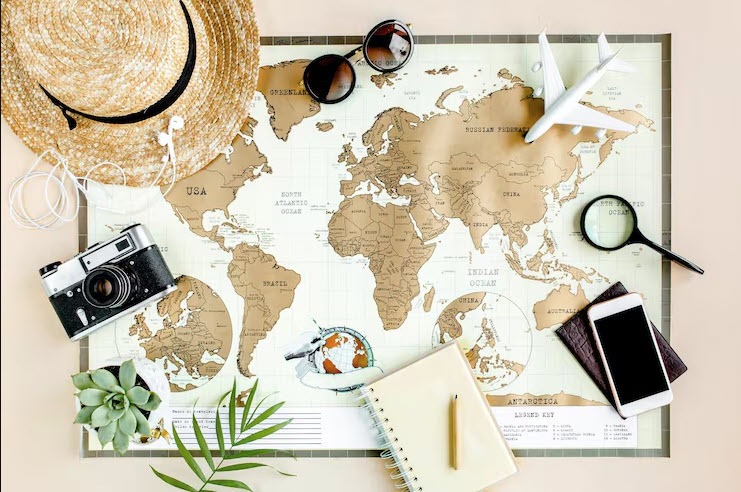
The Planner vs. The Wanderer
People with strengths like Strategic, Arranger, Analytical, and Responsibility often enjoy planning vacations almost as much as taking them.
They research destinations, compare hotels, create schedules, and develop backup plans. They want to maximize the experience and avoid unnecessary surprises.
Their travel folder might include restaurant reservations, maps, attraction tickets, weather forecasts, and contingency plans.
Meanwhile, those with strengths such as Adaptability, Positivity, and Activator may prefer a more spontaneous approach.
They enjoy discovering opportunities as they happen and don’t want to feel constrained by a rigid schedule.
Neither approach is right or wrong.
The planner creates confidence and efficiency. The wanderer creates flexibility and unexpected adventures.

The Relationship-Focused Traveler
For individuals with Relator, Connectedness, Empathy, or Individualization, the destination often matters less than the people they’re with.
Their favorite vacation memories may not involve famous landmarks or exciting activities. Instead, they remember conversations around a campfire, family dinners, or quality time spent reconnecting with loved ones.
For them, vacations are about strengthening relationships and creating meaningful shared experiences.
If you’ve ever heard someone say, “I don’t care where we go, as long as we’re together,” relationship-building strengths may be leading the way.
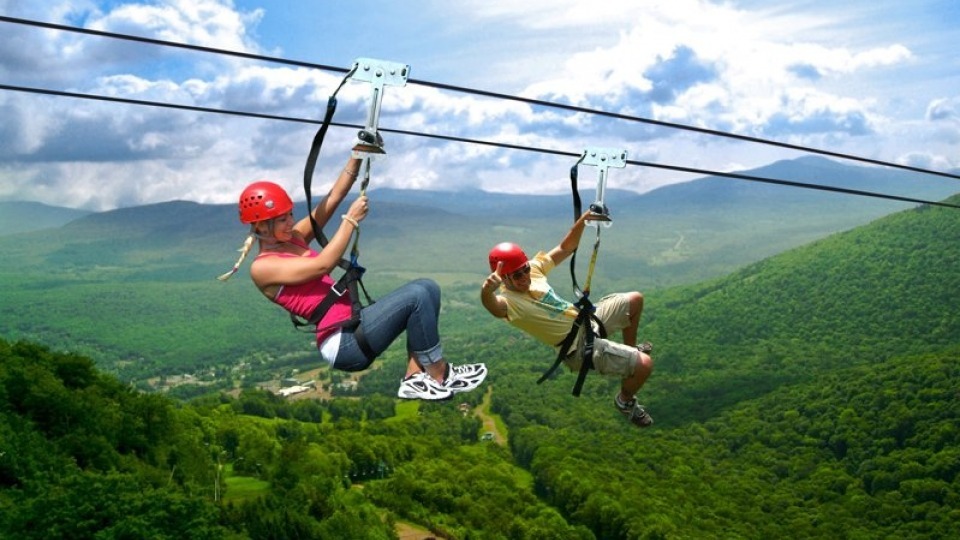
The Adventure Seeker
Some travelers can’t imagine spending an entire week sitting still.
Those with Activator, Competition, Achiever, Self-Assurance, or Strategic often seek excitement, challenge, and new experiences.
They’re signing up for zip-lining, hiking mountains, exploring unfamiliar cities, or trying activities they’ve never done before.
These individuals often return home energized by accomplishing something or experiencing something new.
For them, adventure isn’t exhausting—it’s invigorating.
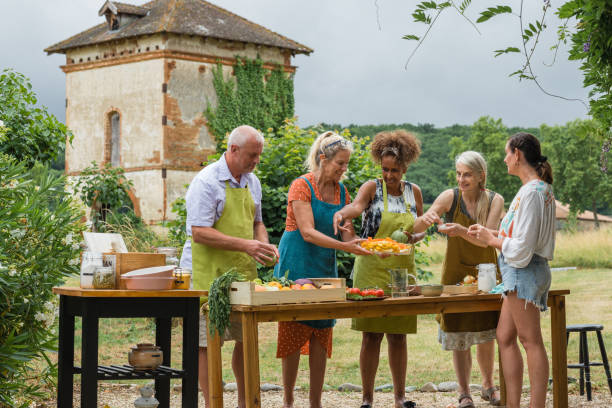
The Learner’s Dream Vacation
People with Learner, Input, Intellection, and Analytical strengths frequently view vacations as opportunities to expand their knowledge.
They may spend hours exploring museums, historical sites, cultural experiences, architecture, or local traditions.
Their suitcase might contain several books, and they often return home with fascinating facts, stories, and recommendations.
For these individuals, learning is not work—it’s part of the fun.

The Relaxation Expert
Those with Harmony, Consistency, Adaptability, or Deliberative may value peace, balance, and simplicity during their vacations.
Their ideal getaway includes fewer schedules, less stress, and opportunities to recharge.
While others may be rushing to fit every activity into a single day, they’re perfectly content enjoying a quiet morning coffee, a scenic walk, or an afternoon by the water.
They understand something many of us forget: rest is productive too.
When Strengths Collide
Family vacations often become fascinating case studies in strengths dynamics.
One person wants every minute scheduled.
Another wants complete flexibility.
One wants adventure.
Another wants relaxation.
One wants to explore local culture.
Another wants to stay at the resort.
These differences can create frustration when we assume others should enjoy vacation the same way we do.
The reality is that each person’s strengths shape what makes a vacation meaningful.
Understanding those differences allows us to approach travel planning with greater empathy and flexibility.
Designing a Strengths-Based Vacation
Imagine planning a vacation that intentionally incorporates the strengths of everyone involved.
The Achiever gets opportunities for activity and accomplishment.
The Relator gets meaningful time with loved ones.
The Learner gets opportunities to explore and discover.
The Adaptability talent gets room for spontaneity.
The Harmony talent gets time to relax and recharge.
When we recognize and honor different strengths, vacations become more enjoyable for everyone.
More Than Just Travel
Vacation planning offers a simple reminder that our strengths are always at work.
They influence what excites us, how we make decisions, what creates energy, and what helps us feel fulfilled.
The next time you’re planning a getaway, pay attention to what naturally draws your interest. You may discover that your travel preferences are revealing something much deeper about how you’re wired to succeed.
Curious About What Drives You?
At Phoenix Potential, we help individuals discover their unique CliftonStrengths and understand how those talents show up in every area of life—from leadership and career development to relationships, communication, and even vacation planning.
Because when you understand your strengths, you gain more than self-awareness. You gain a roadmap for creating experiences, opportunities, and a life that energizes you.
Ready to uncover your strengths? Let’s explore your potential together. https://phoenixpotential.net/#about