
In a crowded workplace and an even more crowded job market, performance alone isn’t enough. What separates high performers who advance from those who plateau is often how clearly they communicate their value. This is where CliftonStrengths becomes more than an assessment—it becomes a personal branding tool.
Your CliftonStrengths don’t just describe what you’re good at. They articulate how you create value, why you succeed, and what makes your contribution distinct. When intentionally woven into your personal brand, your strengths can elevate performance reviews and make you a compelling candidate for new opportunities.
What Personal Brand Really Means (and Why Strengths Matter)
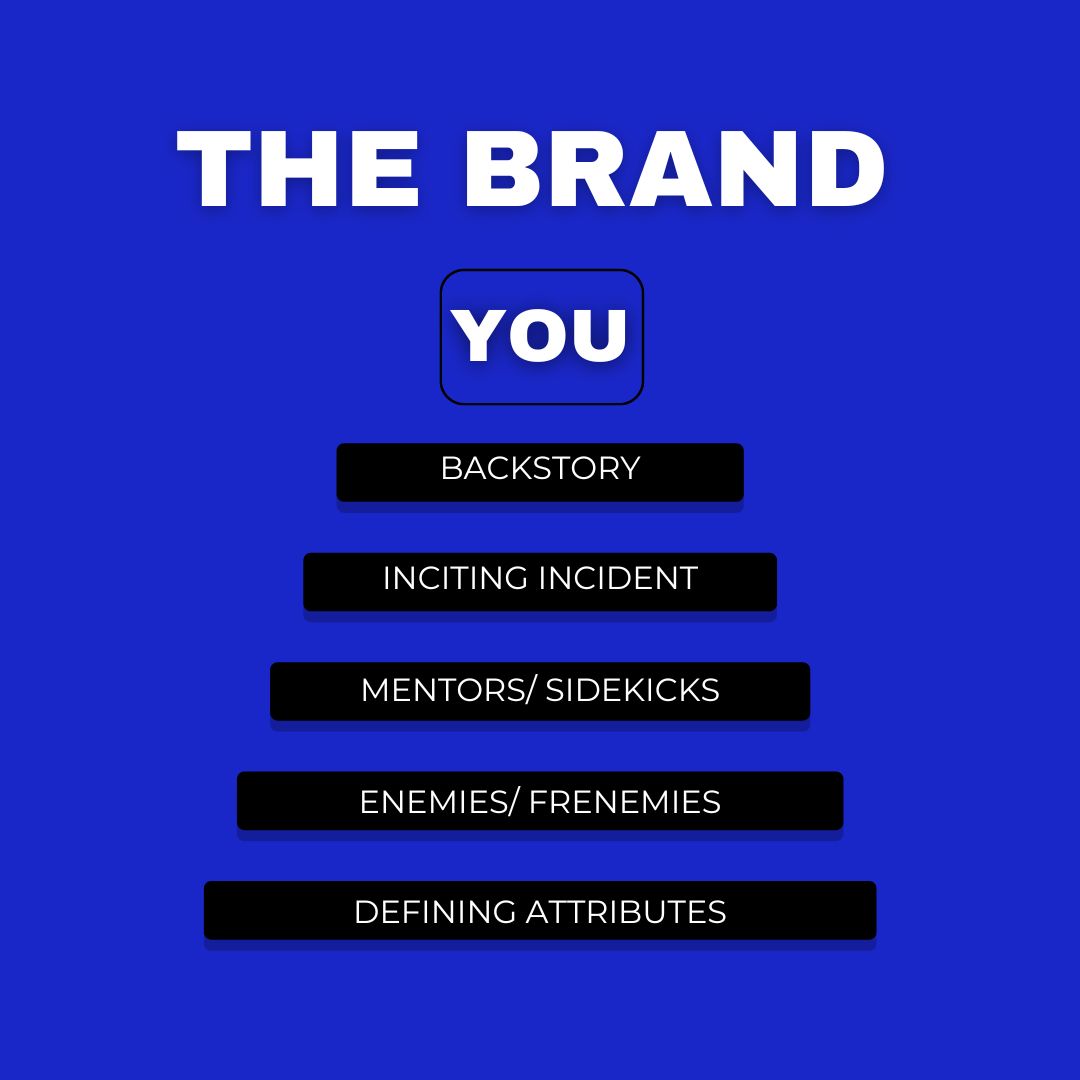
A personal brand isn’t a logo or a tagline—it’s the consistent answer to one question:
“What is it like to work with you?”
CliftonStrengths gives language to that answer. Instead of vague descriptors like “hard worker” or “team player,” strengths provide credible, behavior-based differentiation. They help others understand not just what you do, but how you think, collaborate, and deliver results.
When your strengths anchor your personal brand, you show up as intentional, self-aware, and high-impact—qualities leaders and hiring managers actively seek.

Using CliftonStrengths to Enhance Your Performance Review
Performance reviews often focus on outcomes, but outcomes are more persuasive when paired with intentionality. CliftonStrengths allows you to frame your achievements through a strategic lens.
1. Translate Strengths Into Business Impact
Rather than listing tasks completed, connect your strengths directly to results:
- A Strategic theme explains how you anticipate obstacles and identify better paths forward.
- Relator or Communication can demonstrate how trust and clarity improved collaboration.
- Achiever or Discipline shows how consistency and drive translated into execution.
This shifts the narrative from “I worked hard” to “Here’s how my natural strengths consistently drive results.”
2. Own Your Contribution Style
Performance reviews are also about alignment. CliftonStrengths helps managers understand how to best leverage you. By articulating your strengths, you proactively shape expectations:
- How you prefer to solve problems
- Where you add the most value
- What types of projects energize you
This positions you as a partner in performance, not just a recipient of feedback.
3. Address Growth Areas Without Undermining Confidence
One of the most powerful uses of strengths is reframing development areas. Instead of focusing on weaknesses, you can discuss how you’re learning to manage blind spots by partnering with complementary strengths or refining processes.
This demonstrates maturity, self-awareness, and coachability—three traits that strongly influence promotion decisions.
Using CliftonStrengths to Strengthen Your Job Search
In job searching, sameness is the enemy. Most candidates claim similar skills. CliftonStrengths helps you stand out by explaining why you succeed in those skills.
1. Build a Strengths-Based Career Narrative
Your resume and interviews shouldn’t just show progression—they should tell a story. CliftonStrengths provides a throughline that connects roles, industries, and accomplishments.
For example:
- A pattern of leading change connects to Activator or Futuristic
- Cross-functional success aligns with Adaptability, Harmony, or Connectedness
- Consistent delivery under pressure reflects Responsibility or Focus
This creates a narrative that feels intentional rather than reactive.
2. Make Interviews More Memorable
When candidates describe strengths in action, interviews become concrete and human. Instead of abstract claims, you offer insight into how you think and operate under real conditions.
Hiring managers remember candidates who:
- Clearly articulate their value
- Understand their working style
- Can explain how they’ll contribute from day one
CliftonStrengths gives you a structured, authentic way to do exactly that.
3. Signal Culture Fit and Leadership Potential
Organizations don’t just hire skills—they hire patterns of behavior. Strengths-based branding communicates how you’ll collaborate, lead, and grow within a team.
This is especially powerful for leadership and project-based roles, where how work gets done matters as much as the outcome.
Turning Strengths Into a Consistent Personal Brand
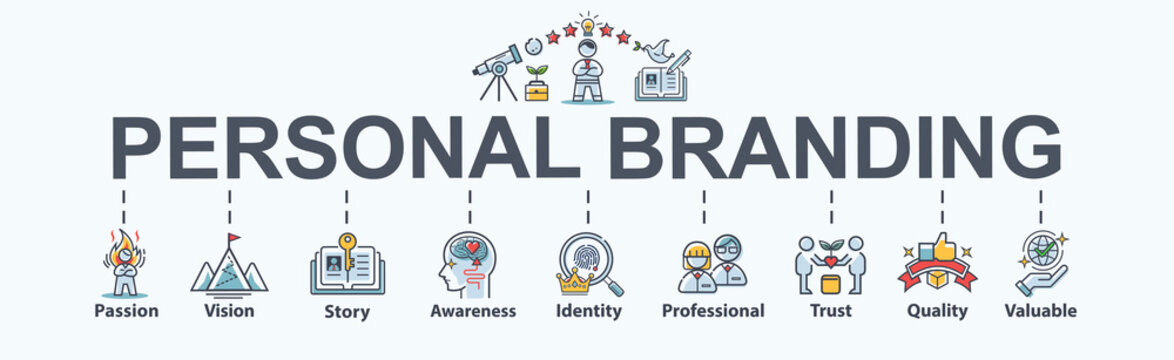
To fully leverage CliftonStrengths, consistency is key. Your strengths should subtly reinforce your brand across multiple touchpoints:
- Performance reviews
- Resume summaries
- LinkedIn profiles
- Interview stories
- Informal conversations with leaders
You don’t need to list all 34 themes—or even your Top 5. What matters is clarity. Choose a few strengths that best represent your impact and intentionally demonstrate them through examples.
CliftonStrengths isn’t just a development tool—it’s a strategic language for value. When you use your strengths to shape your personal brand, you stop hoping others notice your contributions and start clearly communicating them.
For performance reviews, this means stronger advocacy and clearer alignment. For job searches, it means differentiation in a competitive market. In both cases, your strengths become proof—not just potential.
Your strengths are already at work. The real advantage comes when you learn to own them, articulate them, and build your brand around them.