
Memorial Day has always carried a quiet weight, but this year it feels different for me.
Recently, I lost a friend. At the same time, several of my co-workers have also experienced the loss of people they loved deeply. It has created this shared undercurrent of reflection in conversations—those moments where work pauses for a second and people remember what actually matters.
It made me start thinking about two questions:
How do we remember people?
And maybe even more importantly…how do we want to be remembered?
For this generation especially, I think this question hits differently. We live in a world where so much of life is documented in real time. Photos. Stories. TikToks. LinkedIn updates. Group chats. Digital footprints everywhere. But when everything is visible, it can become harder to figure out what actually lasts.
People rarely remember us for the perfectly curated version of ourselves.
They remember how we made them feel.
They remember whether we showed up.
Whether we listened.
Whether we made people feel inspired, challenged, appreciated, understood.
That’s one reason I love the framework of CliftonStrengths. It reminds us that people can leave an impact in very different ways. There isn’t one “correct” legacy. The way we connect with others is indeed rooted in our natural strengths.
Some people are remembered for their energy.
Others for their loyalty.
Others for their vision.
Others simply because they made difficult moments feel lighter.
And honestly, most people don’t fully realize the impact they’re already making.
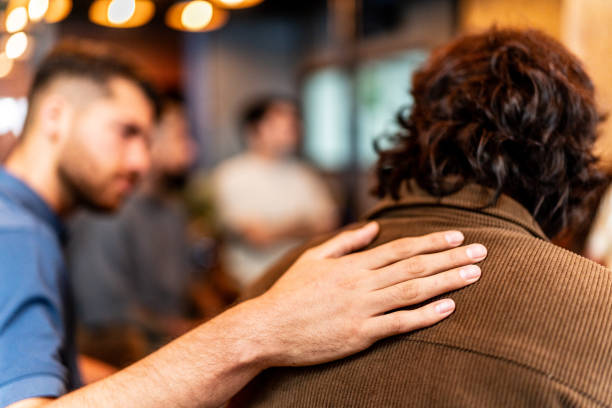
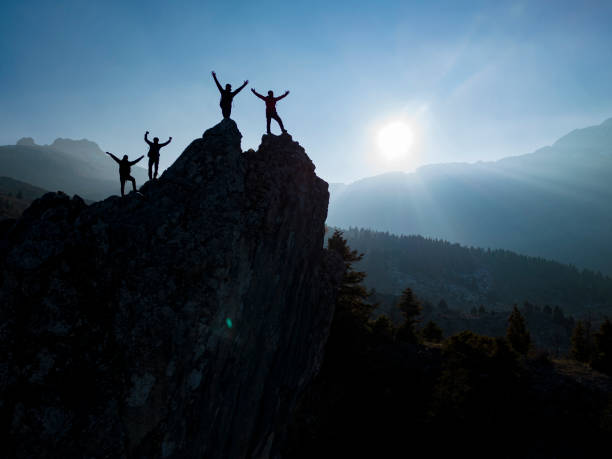

The older I get, the more I realize legacy is rarely about status. It’s about emotional residue. What stays with people after you leave the room—or after you’re gone entirely. That realization can feel heavy, but I actually think it can also be freeing — especially for younger generations who are constantly navigating pressure to build the perfect life, perfect career, perfect brand, perfect image. Memorial Day reminds us that life is not infinitely postponed. And loss has a way of clarifying what matters. Not in a “quit your job and move to Bali tomorrow” kind of way. More in a:
“Am I becoming someone I would respect?”
“Am I treating people the way I want to be remembered for?”
“Am I living intentionally—or just reacting to life?”
Your unique combination of strengths answers those questions differently
Someone with Connectedness may want to be remembered for helping people feel part of something bigger than themselves.
Someone with Relator may care deeply about being known as authentic and loyal in close relationships.
A person with Futuristic might want their legacy to be the possibilities they inspired in others.
Someone with Developer may hope people remember how they encouraged growth and potential.
Those with Belief often want their lives to reflect their values consistently—not just publicly, but privately too.
And people with Intellection may leave impact through the thoughtful conversations that shifted how others saw themselves or the world.
None of these are louder or quieter forms of impact. They’re just different expressions of contribution.
I also think Memorial Day invites us to reconsider what strength actually looks like.
A lot of people still associate strength with achievement, confidence, or independence. But some of the strongest people I know are the ones who:
- stay kind after disappointment
- keep showing up for others while grieving
- create calm in chaos
- encourage others without needing credit
- carry responsibility humbly
And maybe this is the conversation more people are craving right now—not just “How do I succeed?” but “Who am I becoming while I succeed?”
Because eventually, people won’t remember every metric or milestone. They’ll remember moments.
The manager who believed in them.
The friend who checked in.
The co-worker who made stressful days more human.
The person who made them feel accepted before they fully accepted themselves.
I think that’s why loss affects us so deeply. It interrupts autopilot. It reminds us that every interaction is shaping a memory in someone else’s life. Not in a pressure-filled way, but in a human way.
You don’t need to become famous to leave a meaningful legacy.
You don’t need millions of followers.
You don’t need a perfectly optimized life.
Sometimes legacy looks like:
- being dependable
- making people laugh
- mentoring someone younger
- standing up for others
- helping people feel valued
And your personal legacy aligns directly with your natural strengths.
This Memorial Day, alongside remembering those who sacrificed for others, many of us are also reflecting on the people we’ve personally lost—and the marks they left on our lives.
Not because they were perfect.
But because they were real.
Maybe that’s the real question worth asking:
When people think about me years from now, what feeling do I hope remains?
And maybe the answer isn’t something you achieve someday.
Maybe it’s something you practice, conversation by conversation, relationship by relationship, choice by choice—through the strengths you already carry today.